

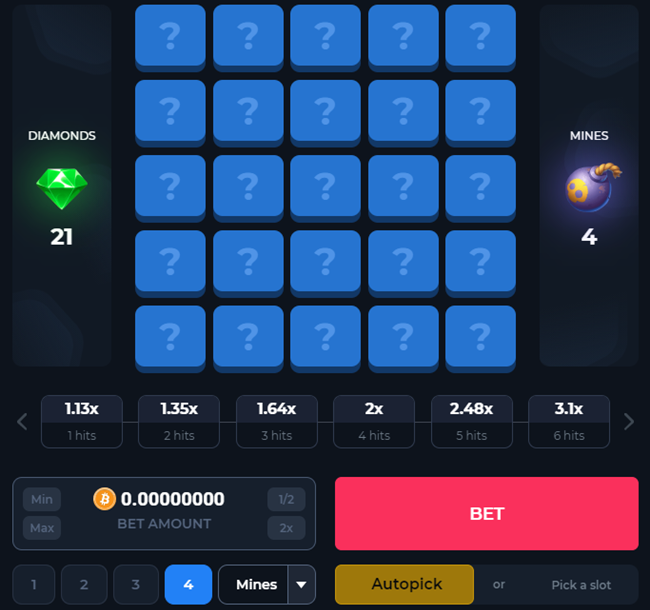
Within the dynamic realm of online gaming, players often build elaborate webs of belief and ritual around their beloved titles, and the Spaceman game is no exception https://spaceman-casino.com/. All over the UK, spanning seasoned veterans in London to casual players in Manchester, a intriguing culture of superstition has blossomed. This phenomenon speaks to the human need to discover patterns, maintain control, and add a layer of personal myth to the exciting, algorithm-driven experience of the crash-style game.
Numerology and Chronological Convictions
Numerical values hold a significant influence over the superstition-prone mind, and Spaceman, with its obvious numerical multiplier, is a ideal canvas for numerical lore. Users across the UK ascribe deep significance to certain digits, developing entire strategies based on numerical patterns they believe are favorable or risky.
The number of the bet itself is a typical focus. Some will only place bets in multiples of a favourite number, steer clear of ‘unlucky’ numbers like 13, or always incorporate their birth date in the stake amount. The cash-out multiplier is, of course, the heart of numerical superstition, with certain numbers gaining reputations as ‘hot’ or ‘cold’.
Timing is equally important in this belief system. Ideas like ‘server luck’ or ‘time-based streaks’ are frequently discussed. A player might feel the game pays out more generously during the first hour after logging in, or that wins come in clusters at specific times, such as on the hour. These convictions, while unsupported in the game’s programming, provide a structured approach to play.
Collective Stories and Shared Legends
Online communities are hotbeds for collective stories, and UK-focused Spaceman forums and chat rooms are rich with them. These are stories, warnings, and theories transferred between player to player, developing with each retelling and turning into quasi-fact within certain circles.
One widespread myth involves the idea of ‘predictable patterns’ in the ostensibly random crash point. You’ll find threads where players painstakingly chart results, convinced they can discern a sequence. Another popular legend tells of a ‘punishment algorithm’ that comes after a big win with a series of rapid crashes, preventing players from chasing losses after a success.
There are also accounts of ‘lucky accounts’ or ‘cursed sessions’. Some think creating a new account grants a wave of beginner’s luck, while others think a particular username or avatar can influence the game. These shared narratives create a shared mindset, a folklore specific to the UK’s digital gaming landscape that connects players through shared belief.
The Thin Boundary: Ritual vs. Responsible Play
While habits and charms provide character and a personal touch to the activity, it is essential to understand where lighthearted play stops and risky behaviour begins. The key tenet of safe gambling is understanding that Spaceman, like all casino games, is governed by a Random Number Generator (RNG). No ceremony, figure, or time of day can alter its outcome.
Superstition becomes harmful when it leads to ‘magical thinking’ that can justify recovering losses. Thinking that a ‘big win is due’ because of a ritual is a thinking flaw that can impact wise budget control. It’s essential for users to enjoy their own traditions as an element of fun, not as a method to outsmart the game.
The UK’s robust structure for safe betting highlights this distinction. Players are urged to view beliefs as a type of fun, a way to personalise the journey, while consistently relying their actions on spending caps, time boundaries, and the acknowledgment of uncertainty. Preserving this line distinct ensures the activity continues as a pleasurable activity.
Social Influences from the UK
The nature of Spaceman superstitions in the UK isn’t created in a vacuum; it’s subtly coloured by broader British cultural attitudes towards luck and gambling. The nation’s long history with betting shops, football pools, and the National Lottery has instilled certain lucky symbols and omens into the public psyche.
Traditional symbols like the humble four-leaf clover or a horseshoe find their digital equivalents. The concept of ‘luck of the draw’ or ‘a lucky streak’ is deeply embedded. Furthermore, the British tendency for understatement and humour often defines these superstitions—they might be followed with a wink and a nod, a way to engage with the game’s tension without taking it too seriously.
Regional differences can even play a part. A player in Scotland might avoid certain numbers with different cultural connotations, while someone in Cornwall could be influenced by local folklore. This combination of national character and modern online gaming creates a uniquely British layer to the global phenomenon of Spaceman rituals.
Typical Rituals and Lucky Charms
Within the UK Spaceman community, certain rituals have become practically commonplace. These practices vary from preparatory routines to in-game physical actions, all performed with the hope of securing a favourable outcome. It’s a personal universe of luck, where every player is the builder of their own fortune-building ceremony.
Many players swear by a specific environment or setup. This could entail playing only at a certain time of day, perhaps when the house is quiet late at night, or making sure a particular item is on their desk. The consistency of the ritual is key, supplying a familiar and ‘lucky’ framework from which to launch their gaming session.
- The Pre-Game Routine: This involves actions like clearing the browser cache, restarting the device, or taking three deep breaths before the first round. Some insist on having a specific beverage—a proper cup of Yorkshire tea being a popular choice—within reach.
- Physical Actions During Play: Superstitious players might look away from the screen at a crucial moment, click the cash-out button with a specific finger, or catch their breath as the multiplier climbs. Tapping the spacebar in a particular rhythm is another commonly cited ritual.
- Lucky Charms and Items: From a favourite mousepad to a specific piece of clothing like a ‘lucky hoodie’, physical tokens are hugely popular. Others might have a coin, a figurine, or even a pet nearby, thinking their presence sways the digital odds.
The Mindset of Player Superstitions
Why do rational people adopt quirks and habits when engaging in a title like Spaceman? The answer lies deep within psychological psychology. The human brain is a pattern-seeking machine, constantly seeking cause and effect even in arbitrary sequences. When a player carries out a particular move, like clicking the cash-out button with their left hand, and then triumphs, the brain creates a connected link. This superstition becomes a soothing ritual, giving a felt sense of control over the unpredictable.
This psychological requirement for control is especially powerful in games of chance. Superstitions function as psychological armour, lessening stress and turning the gaming experience more engaging and personal. For many in the UK, these personal principles convert Spaceman from a entirely mathematical concept into a personalised adventure, where fortune can be pursued through dedicated, if quirky, practices.
The collective element of online gaming forums and social media groups further solidifies these notions. When participants share their ‘winning rituals’, they obtain popularity, forming a shared mythology. This group reinforcement renders the superstitions feel more valid, implanting them deeper into the UK’s Spaceman community culture, irrespective of their real effect on the session’s conclusion.
In what ways Superstitions Boost the Gaming Experience
Regardless of their lack of scientific basis, these beliefs serve a profoundly positive role for many. They transform a solitary digital interaction into a more rewarding, more immersive experience. A personal ritual establishes a sense of ceremony and anticipation, heightening the emotional engagement with each launch of the Spaceman rocket.
These practices also foster a sense of community and shared identity. Talking about lucky charms or arguing about the best time to play builds bonds between players. It introduces a layer of narrative and personality to the game, making it about more than just numbers on a screen—it becomes a story the player is actively writing with their own quirky traditions.
Ultimately, for the UK’s Spaceman community, superstitions are a form of creative play. They permit individuals to inject their personality into the game, creating a unique and personally meaningful version of the experience. This self-expression, this crafting of a personal luck mythology, is perhaps the greatest win of all, regardless of the cash-out multiplier.
The Role of Streamers and Influencers
Popular streamers on platforms like Twitch and YouTube have a huge influence on the propagation and normalization of gaming superstitions. When a well-known UK streamer performs a certain ritual before a major cash-out, that action is observed by thousands and can quickly become a trending superstition within the community.
These influencers often cultivate their own branded rituals, which their audiences enthusiastically adopt. A streamer might have a signature catchphrase they shout when the multiplier climbs, or a particular stuffed toy they keep on camera for luck. Their success, ascribed in part to these rituals by viewers, gives them an air of credibility and fun.
This creates a cyclical loop where community myths are magnified. A superstition mentioned in a stream’s chat can be taken up by the influencer, confirmed on screen, and then spread to an even wider audience. Thus, the modern folkloric tradition around games like Spaceman is greatly accelerated by digital content creation.
Holiday and Event-Based Beliefs
The calendar also dictates the ebb and flow of superstitious belief. During periods like Christmas, New Year’s Eve, or a major national event, players often report sensing ‘luckier’ or change their rituals to correspond with the season. A New Year’s first bet might be considered particularly significant, surrounded by more detailed ritual than usual.
Technické a Personalizace Zvyklosti
In a online game, the technology itself becomes a cíl for ritualistic behaviour. Players develop strong beliefs about the funkčnost of různých devices, internet connections, or even určitých browser settings. The hledání for a ‘lucky setup’ zasahuje deep into their technické and software configuration.
A common belief is that a svižnější, more stable internet connection leads to kvalitnější timing and thus lepší outcomes. Others might trvat on using a konkrétní brand of mouse for a plynulejší click, or swear that hrání on a mobile device while connected to home Wi-Fi přináší větší multipliers than using mobile data.
These digital superstitions emphasize the urge to perfect every possible variable. Tweaking notification sounds, screen brightness, or even the desk’s lighting are all part of crafting the ideal, luck-inviting technological ecosystem from which to command the Spaceman’s launch.
The Vocabulary and Lexicon of Luck

The UK Spaceman community has established its own distinctive vocabulary around luck and superstition. This common lexicon enables players convey their beliefs and experiences quickly. Terms like ’tilting’ (playing emotionally after a loss), ‘cursed seed’ (a believed-unlucky game cycle), or ‘god mode’ (a perceived streak of incredible luck) are abbreviations for complex superstitious concepts.
This language creates an in-group identity. Knowing and using the terms correctly shows you are part of the community, you grasp its folklore. It also allows for the rapid spread of new superstitions; a new term can catch on in a forum and become a staple of discussion within days, bringing the associated belief with it.
Phrases like “I’m feeling it today” or “the server is cold” are more than just comments; they are reflections of a superstitious worldview. This evolving dialogue is a vibrant part of the game’s culture, constantly polishing and broadening the collective understanding of how luck operates in the digital realm of Spaceman.